
Twelve years of building. One of them was tearing my own company down.
I'm Filip Radisic. I've built companies in the Balkans, sourced from factories in southern China, raised for a startup that C0 V/ D stopped, and moved to Florida to do it here.
Linked Core LLC is where all of it ended up.
Twelve years. Five companies built. One rebuilt from zero.
I've fired an entire team and rebuilt a business from scratch in one month. I've spent three months inside more than 100 factories in southern China learning how products actually get made. I've raised capital for a startup, watched a global shutdown kill it overnight, and turned that into a consulting practice instead. I've launched five companies in 24 months and scaled one digital marketing agency to 33 clients with a 12-person team before I was old enough to rent a car in some states.
Every mistake your business is about to make, I've already made, on my own money, before I ever touched yours.
That's not a story. That's the reason I'm qualified to build what you're building.
It started
with a question
Even as a kid, I watched the world with quiet ambition. Why are some people rich and others poor? Why do some build wealth while others stay stuck?
Those questions kept circling in my mind long before I ever heard of Robert Kiyosaki.
Years later, I found his books, and realized something wild: the exact questions I had growing up followed the same sequence he wrote them in, from Rich Dad Poor Dad through Cashflow Quadrant to Fake Money, Fake Teachers, Fake Assets.
That obsession with the mechanics of business never left. It's the same question I ask about your business on day one: what's actually driving this, underneath the surface.
Fail. Learn. Repeat.

Learning complex subjects starts with small steps and play. The energy I had back then, for failed tests, starting from scratch, learning, getting disappointed, and learning again, is something only a teenager can have.
Today, I probably wouldn't have the same strength to start over that many times. But back then, I launched over 100 different projects, testing individual elements of what would later become full business systems.
Some of them made no sense at all. But often, I would stumble onto a shortcut or figure something out completely on my own, without even realizing I'd found something important. During that time I was learning the basics of marketing, testing ideas on small Facebook and Twitter pages, exploring online income models, and studying how to monetize what I knew.
I've already burned through the failures most founders are about to have. That's 100 fewer mistakes you have to make yourself.
The first
real business system
In 2014, I got a job at a friend's digital marketing agency. A big team, over 10 people. They were building websites priced between €20,000 and €50,000 per project. That number felt completely unreal to me.
For the first time, I saw the power of organized teamwork. Designers had their flow. Developers had theirs. Marketers, project managers, client onboarding, everyone knew their role. Everything ran like a production line. No confusion. No guessing. Clear structures, predefined meeting agendas, clean execution, visible results.
Clients were thrilled. They kept coming back, spending another
€50k without hesitation. Unbelievable, right? It was to me too, until I understood the point.
That's the system I still build for clients today:
clear roles, no guessing, work that runs whether or not you're in the room.
From chaos
to structure
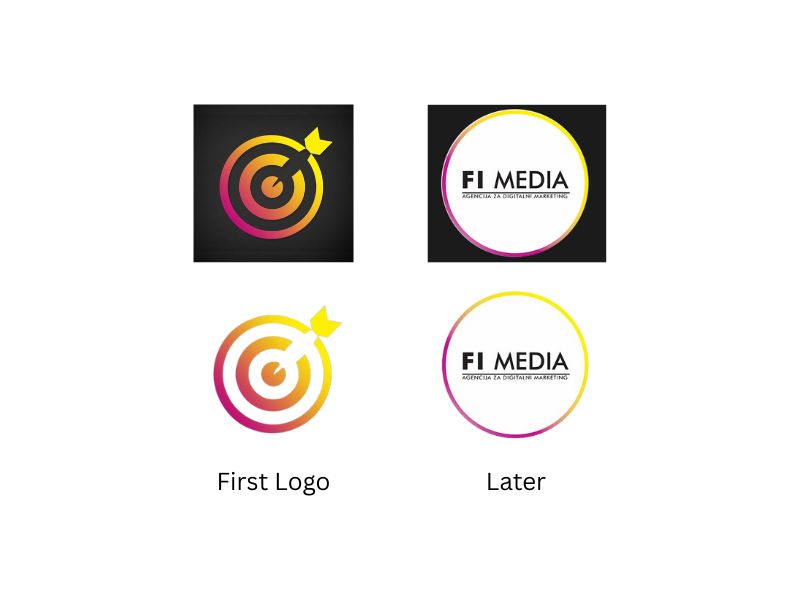
In 2015, I had a rough idea of what a digital agency should look like, but neither the knowledge nor the resources to make it happen. Still, I didn't want a salary job. I wanted more time, more freedom, and more income.
So I did it. I brought together five people, split into small teams, set pricing, and started taking on real clients under the FIMEDIA name. On paper, it looked exactly like the agency I'd pictured.
But the entire year was full of the early-stage struggles every young business faces. People came late. They didn't do their work properly. Some disrespected clients. They expected benefits without real effort. That's when I realized where I stood as a leader. This couldn't go on.
Within one month, I made the toughest business decisions of my life. I fired the entire team, my first real experience of having to let people go, and it wasn't easy. I paused all content production, which cost 30% of clients instantly. I built a complete CRM system, wrote internal rules and procedures, launched a new hiring process, and completely restarted the company.
I don't tell you this to be relatable. I tell you this because it's why I build the CRM and the hiring process before anything else, for you, now, not after it breaks.
The
breakthrough year

In 2016, I started hiring the right team into a system that was finally standardized. The first step was a full rebrand: new visual identity, updated web presence, and a different kind of free content strategy aimed at attracting more serious clients. That was the first time I used what today is called a lead magnet, though back then I didn't even know the term existed.
We began pushing harder on ads. That led to fast growth. What started as a team of 3 quickly became 12. We landed 33 clients across the Balkan region, mostly from Serbia, including our first major international name: a well known airline entering the Balkan market.
To give you an idea of the scale: 33 clients times 30 posts a month is nearly 1,000 social media posts every month. No ChatGPT, no AI tools for captions or visuals. We did it all manually.
That's the volume a real system produces. It's the same infrastructure I put behind your business, scaled to where you actually are.
From services
to digital assets
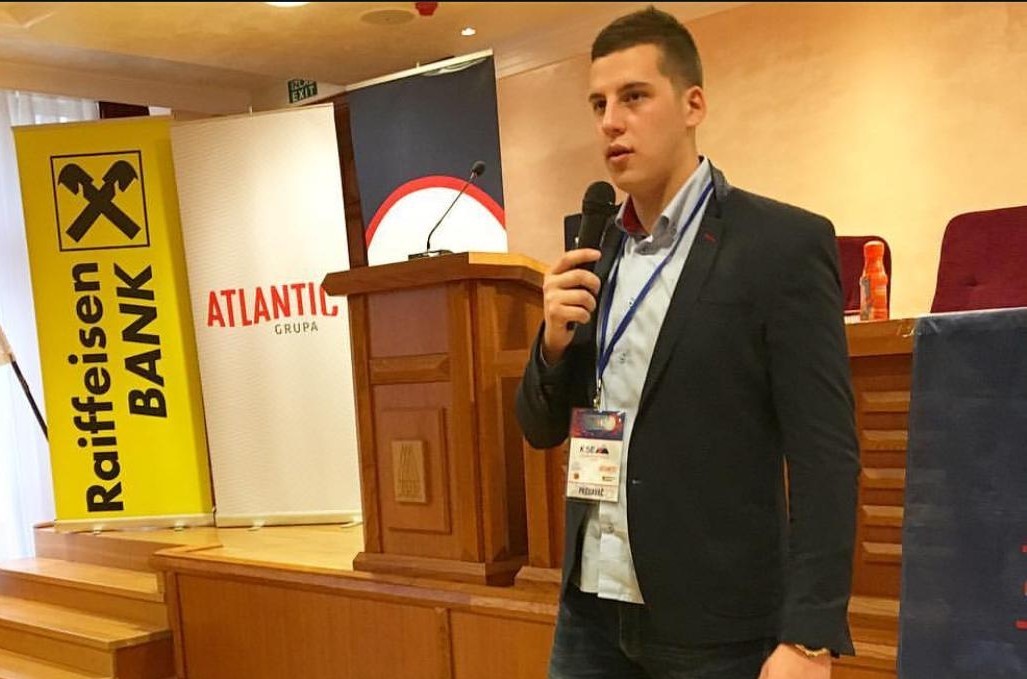
In 2017, I began exploring e-commerce, import-export logistics, and wholesale. That's when I truly started to see the difference between B2C and B2B models, and I became obsessed with understanding how the big players operate.
I realized I had built a powerful infrastructure. With it, I could launch a new webshop every day if I wanted to, at a lower cost than any of my competitors. I launched multiple online stores, some B2B, some B2C. Each one taught me something new. But one idea stood out: a news portal.
Together with a partner, we launched a digital media site built inside the agency. We hired 26 people. Each article was optimized across 46 SEO points. We didn't have to beat CNN or Reuters on news, we just had to beat them in the algorithm. And we did. The portal became profitable within 3 months.
Every business I touch gets built as an asset, not just a service delivered once and forgotten.
China: The place that
changed how I think
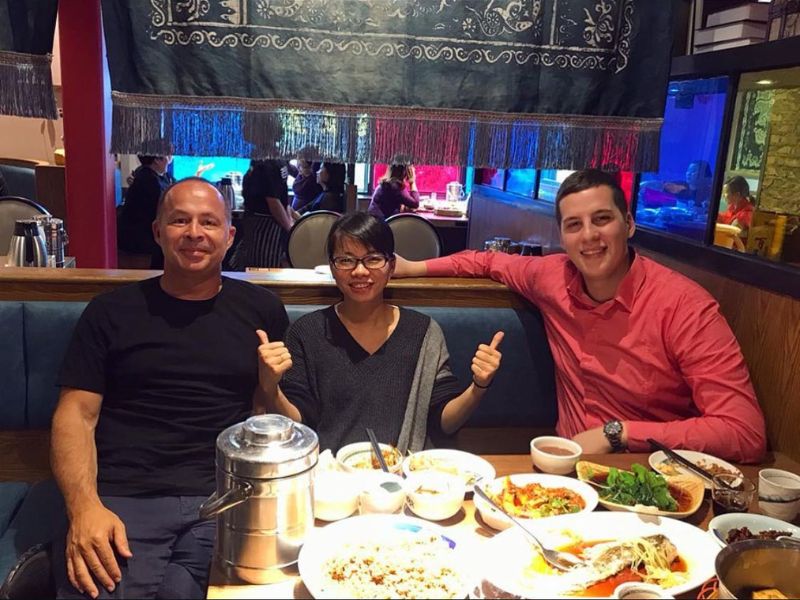
China is a place where the impossible looks normal. Face-scanning payment kiosks stand in temples older than most countries. Ancient tradition lives inside a communist structure, but the whole system runs on capitalist output and brutal speed. It's the perfect contradiction, and somehow it works.
I landed completely unprepared. No plan, no contacts, just curiosity. Within two days I met a woman named Sandy in Zhongshan, who owned one of the largest agencies handling sourcing, quality control, and export logistics across the region. That connection opened doors in Shenzhen, and to over 100 factories across southern China: electronics, packaging, consumer goods, textiles, tools, machinery.
I spent three months walking through real operations: factory floors, production lines, shipping facilities, quality control centers. Things that today go viral on Reels and TikTok, I saw being
mass-produced in 2018, before the world even knew they existed.
I don't guess at what's behind a supply chain, a price tag, or a claim a vendor makes. I've stood on the factory floor. That's the level of scrutiny your business gets too.
When vision speaks
louder than revenue
China shifted everything. After six months surrounded by scale, speed, and global precision, I couldn't go back to thinking local. Every familiar business model suddenly felt too small, too predictable, too limited in impact.
So I made the decision most entrepreneurs avoid: I shut down a healthy, growing, profitable agency. Not because it failed, but because I understood how much more I could build if I reset on the right foundation. I was young, with time and flexibility, and I knew that if there's a time to experiment boldly, it's in your twenties.
I used the rest of 2018 to reinvest in myself, intentionally. I immersed myself in accounting, business law, organizational design, HR systems, international structuring, venture capital, startup finance, cap tables, equity allocation, exit strategies, deal-making, SaaS metrics, pitch architecture, and investor readiness.
Knowing when to walk away from something profitable is the same instinct I apply to your business: not every opportunity is worth taking, and I'll tell you which ones aren't.
A startup, a global pause,
and an unexpected new path
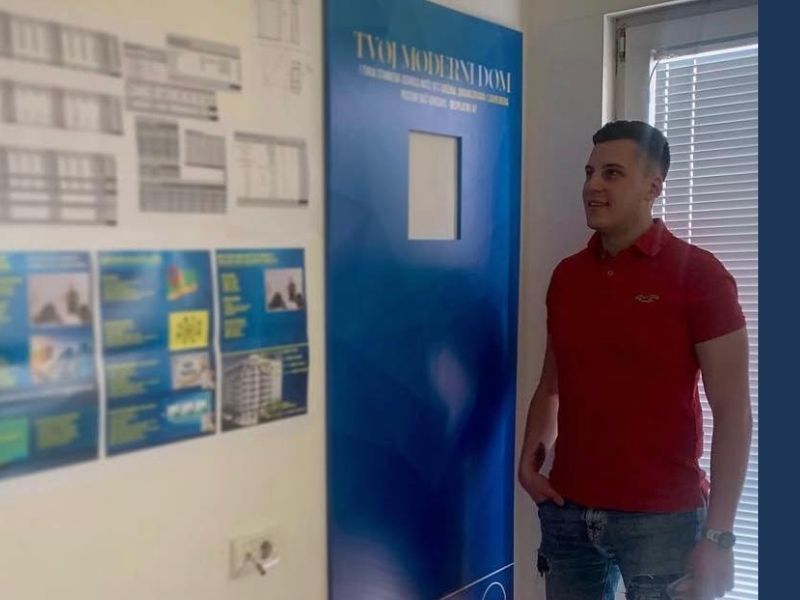
The year is 2019. The world feels stable, familiar, safe. No one suspects that everything is about to change. While most were still living in that old world, I was building my first startup, inspired directly by something I'd seen in Shenzhen: a media-tech giant with reportedly over 70,000 employees that had built a near-monopoly on digital signage across the entire city.
That level of infrastructure didn't exist in Europe, and I knew it was just a matter of time. So I built a localized version: a smart, scalable, city-level advertising startup. To launch phase one, I needed an initial investment of €400,000. I entered a structured fundraising process with a boutique venture capital firm, and things were moving well. There were early talks of a well known automotive founder potentially joining as a mentor. To me, that alone felt more valuable than the funding itself.
But while my project was gaining momentum, something far bigger was brewing in the background. C0 V/ D. The moment it hit, everything stopped. Pitch events, investor conversations, planning sessions, all frozen. My process never got the chance to finish.
That's still how I work. Not a sales pitch.
A straight answer about what your business actually needs.
Five companies
in 24 months
From 2020 to 2022, everything accelerated. I finally had the infrastructure, capital, and clarity to do what I'd been preparing for over a decade: to build without limitations. This wasn't just consulting anymore, it was applied strategy, on both sides. With my clients' budgets, I helped them test their wildest ideas. With my own profits, I tested my own hypotheses.
In just 24 months, I launched five companies across five different verticals: a hospitality and service business, asset-based real estate rental, flipping and development, a software firm focused on process automation, a re-activated marketing agency, and branding and
go-to-market strategy for 360+ consumer products.
At the same time, I sharpened my ability to raise capital, pitch structured plans, present to decision-makers, and build full launch teams around new ideas. For the first time, I didn't just have the ideas, I had the machine to build them.
Five companies in 24 months isn't a flex. It's proof the infrastructure works at speed,
and it's the same infrastructure now built for you.
Landing
in the US
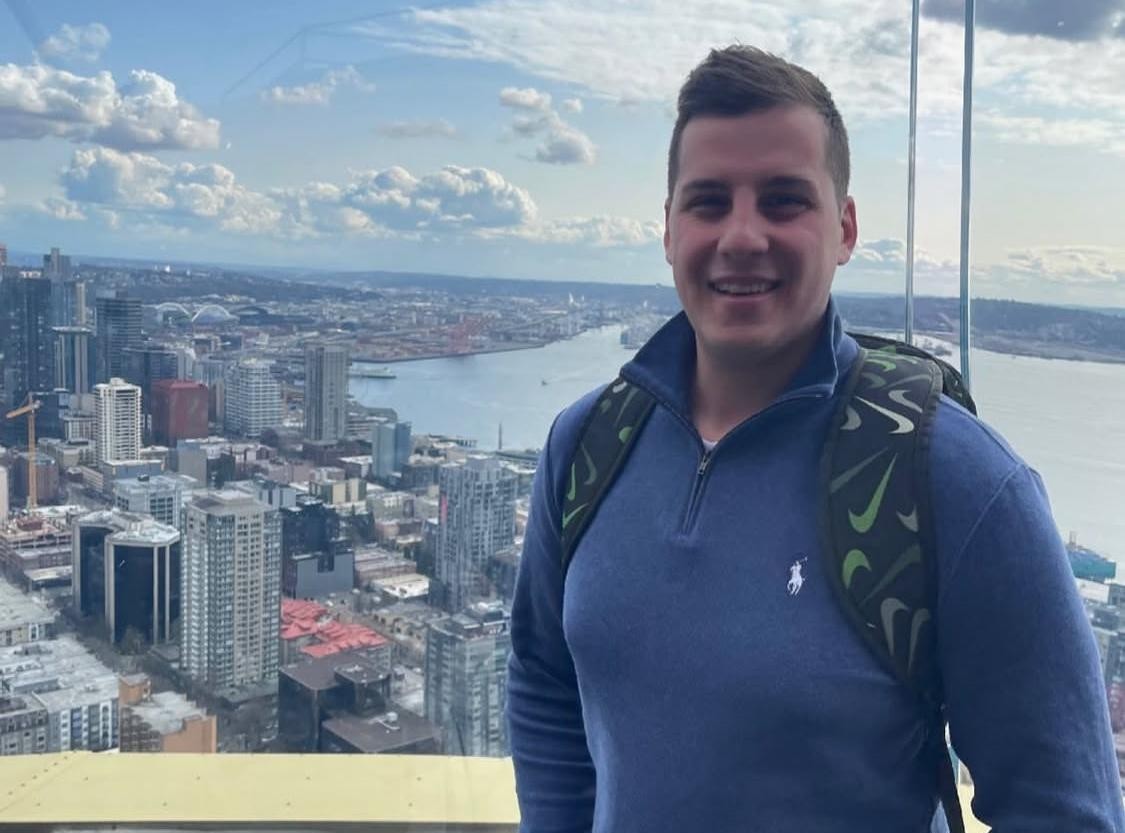
Working across different industries taught me to look beyond a familiar business model.
An approach that works well in one setting may need a different offer, process, or customer experience in another.
My experience across Europe and Asia broadened how I approach business strategy and operations. I learned to examine how the parts fit together: what customers value, how teams deliver, where costs build up, and what needs to change as demand grows.
That perspective helps me evaluate new ideas with
practical questions and build plans around the needs of each business.
Linked Core
is born
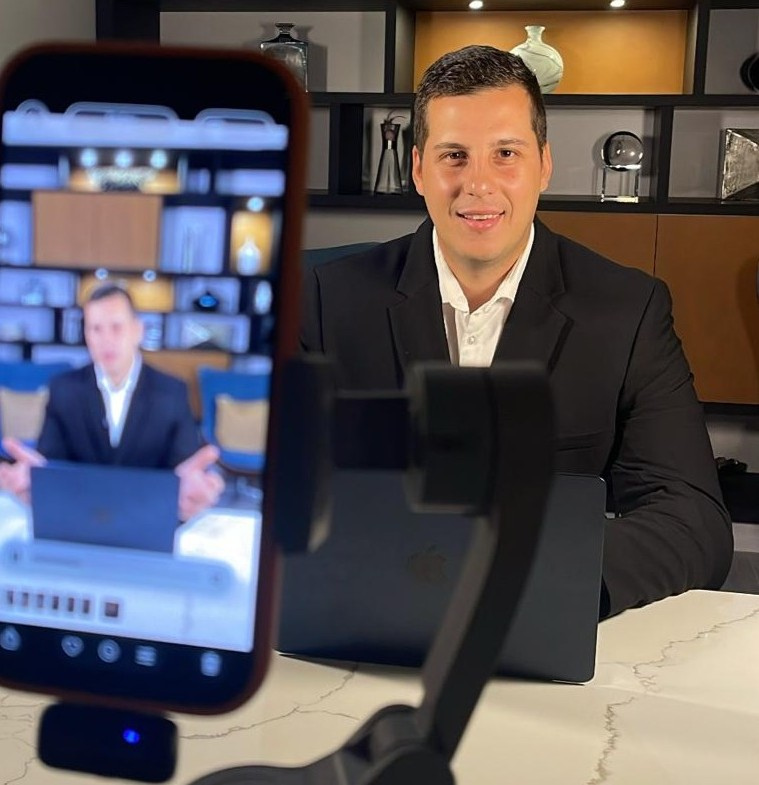
Over more than a decade, I built projects, managed teams, tested business models, and worked through the challenges of turning ideas into day-to-day operations.
Those experiences shaped how I work: understand the business, identify what needs attention, and connect each decision with a practical next step.
Today, I bring that approach to Linked Core through one-on-one business consulting for people starting a business and owners improving an existing one.
I help you define your offer, organize your operations, and put the right systems in place.
From the initial plan to implementation, I work directly with you to build a business you understand and can confidently manage.
Why I don't take equity
I've owned enough companies to know what a share of one is worth to the person who built it.
You brought the idea, the risk, and the years. I bring the structure. I get paid for the structure.
I also can't run your business and manage an investment portfolio at the same time, not well.
If I took equity in every client, I'd end up managing a portfolio instead of building systems.
That's also why my prices are public and why you pay per stage.
If I'm not earning the next one, you shouldn't be committed to it.